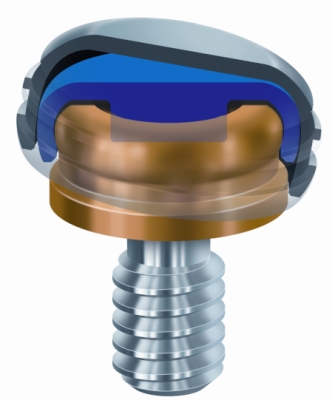
Implant

nobel-biocarepreferredstraumannthree-izimmer

For dental implant procedure to work, there must be enough bone in the jaw, and the bone has to be strong enough to hold and support the implant. If there is not enough bone, more may need to be added with a bone graft procedure. In addition, natural teeth and supporting tissues near where the implant will be placed must be in good condition.

ankylos

In all cases, careful consideration must be given to the final functional aspects of the restoration, such as assessing the forces which will be placed on the implant. Implant loading from chewing and parafunction (abnormal grinding or clenching habits) can exceed the biomechanic tolerance of the implant bone interface and/or the titanium material itself, causing failure. This can be failure of the implant itself (fracture) or bone loss, a “melting” or resorption of the surrounding bone.

Our team can help you choose which type of prosthesis can and should be fabricated for your case after the specific implant requirements including number, length, diameter, and thread pattern have been properly determined by the restoring dentist or oral surgeon. In other words, the case must be reverse engineered by the restoring dentist prior to the surgery. Usually, physical models or impressions of the patient’s jawbones and teeth are made by the restorative dentist at the implant surgeon’s request, and are used as physical aids to treatment planning. Call us to discuss your case today. We also fabricate Radiographic Stents,Surgical Guides and Demonstration Models for your patients to discuss while attending your office.

steri-oss_image